Locksmith · Hamilton
What we tell our neighbours
A door that drags, a key that needs a jiggle, a fob that works from closer than it used to. Each is a small signal worth understanding. Our advice pages explain what those signals mean and how to act on them before they become a lockout.
- Issue 1Commercial Rekeying: how the work is doneA business hands out keys as people join and rarely gets every one back as people leave. Rekeying resets that count.Read
- Issue 2Lost Keys — Same-Visit Rekey: comparing quotesThe priority. A stolen wallet gives the holder your address, and the ring gives them the key to it, so the rekey moves to the front of the queue and the locksmith says so when you call.Read
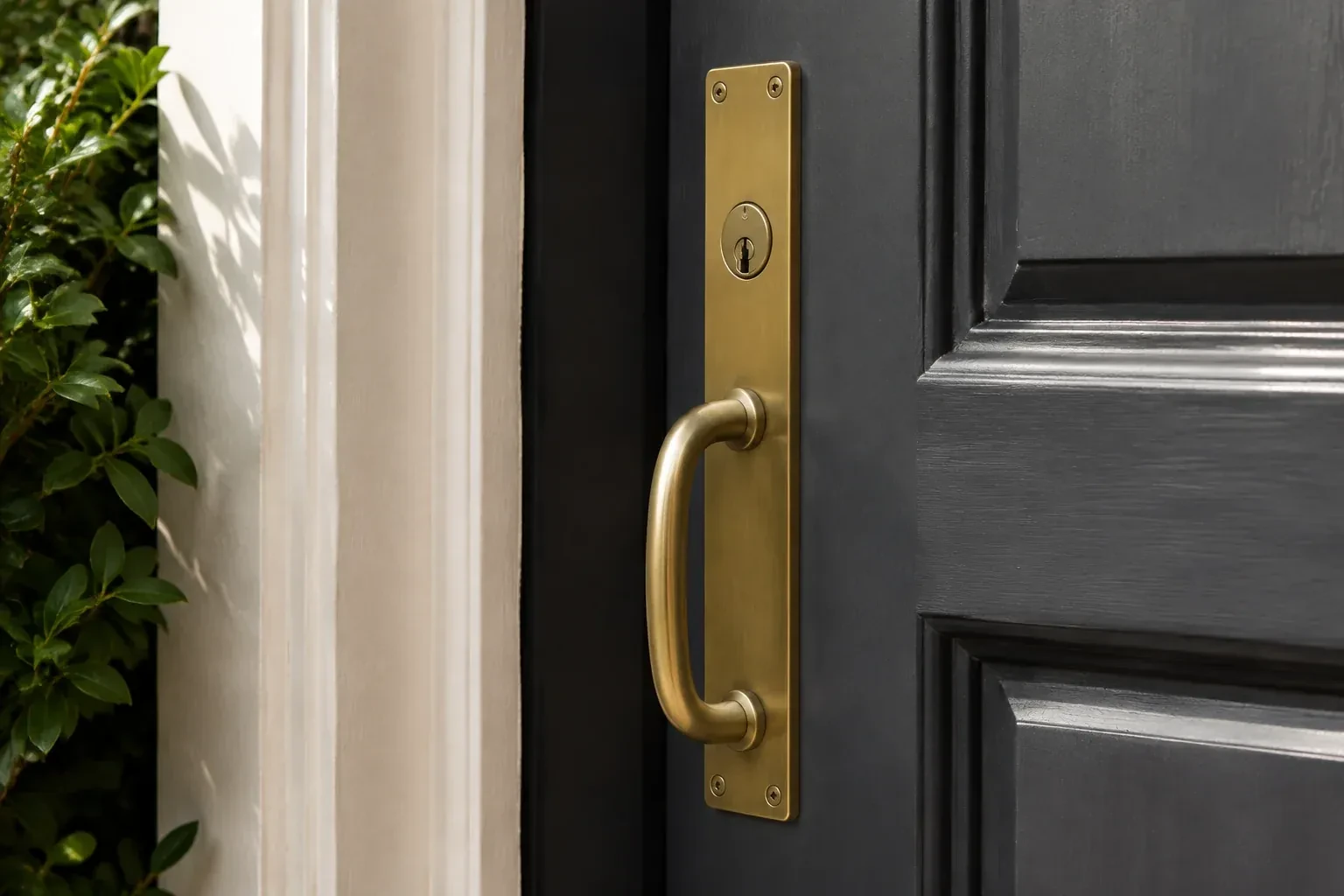
- Issue 3Vintage Mortise Lock Service: getting readyYou bought a house with its original hardware and a bag of loose keys. Some open interior doors, some fit nothing, and the front door lock has a keyhole shaped for a key you do not have.Read
Ask us anything about locks
Lockout Services
Do I have to show identification before you open my door?
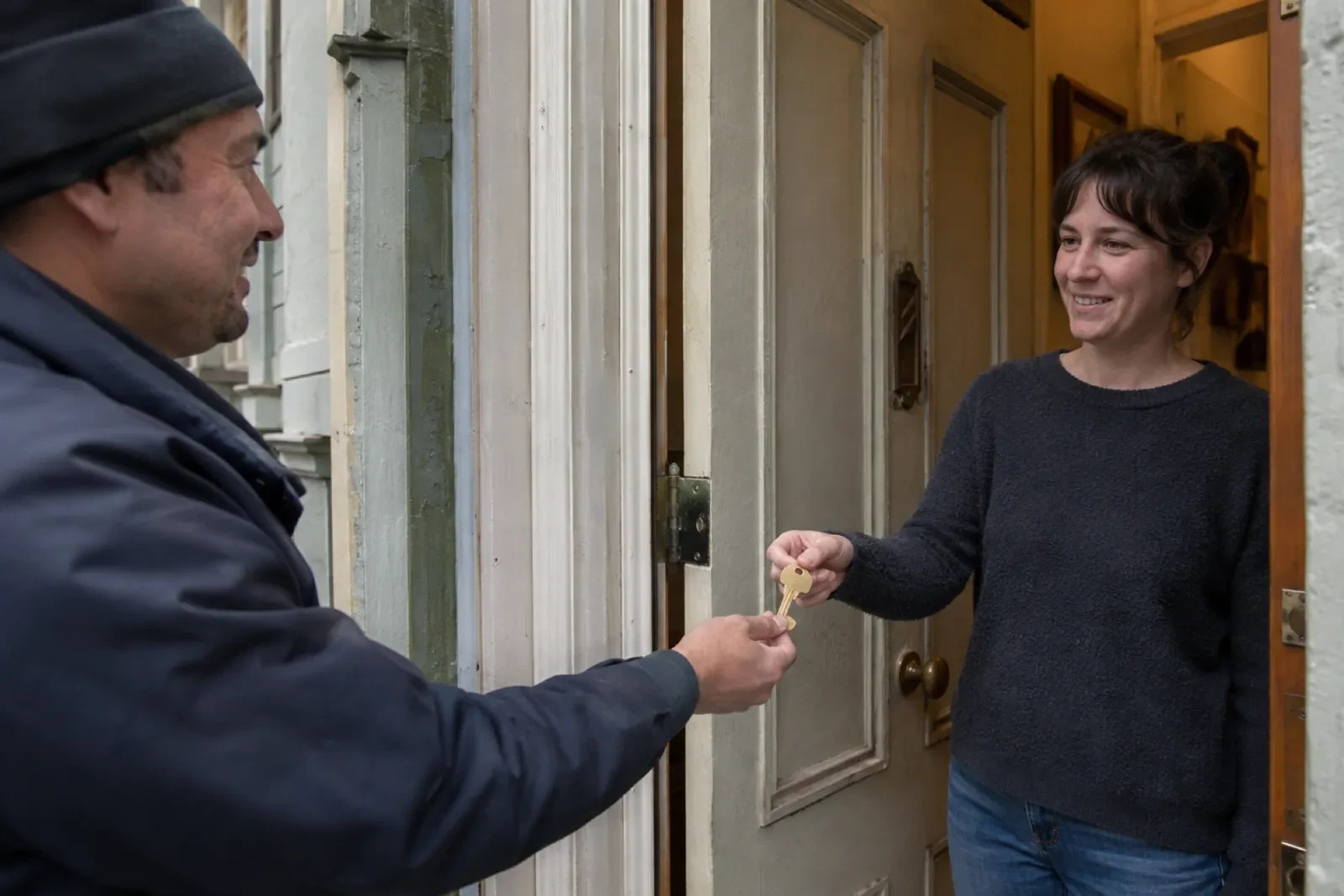
Yes, and it is a reassuring step rather than a hurdle. Photo identification that matches the address settles it in seconds. When your identification still carries a previous address, other proof does the job: a tenancy agreement, a recent bill, a piece of addressed mail, or a word with your building manager. Locksmiths take this seriously because it protects every home they are asked to open, including yours. Home Lockout Service
Can you also deal with the back door, the roll-up shutter and the gate?
Yes. A business lockout covers every opening the premises relies on: the rear service door with its exit device, a roll-up shutter and its padlock, the compound gate, a mailbox in the lobby and interior doors such as the cash office or server closet. Mention each one when you call so the right padlock shackles, cores and cylinders are in the van, and so cylinders that should share a key are handled together. Business Lockout Service
My key has a chip in it. Does that survive the break?
Usually yes. The transponder chip and the remote electronics live in the plastic head, and the head is the part that stays in your hand when the blade snaps. Once the blade is extracted, a new blade of the right profile is cut and fitted to the old head, so the vehicle continues to recognize the chip without reprogramming. Only a cracked or soaked head needs the electronics moved to a new shell. Broken Key Extraction
Should I upgrade to a stronger deadbolt while you are here?
It is the natural moment, because the door is already open for repair. A deadbolt with a full one-inch throw, a hardened insert against sawing and a low-profile face that resists a wrench grip, graded to a recognised durability standard, takes little extra effort to fit now compared with a return visit. Pair it with the reinforced strike and long screws and the door becomes hard to attack from any side. The choice is yours; the locksmith shows the options and lets you decide. Break-In Damage Lock Repair
Change or Rekey Locks
How is rekeying different from replacing the lock?
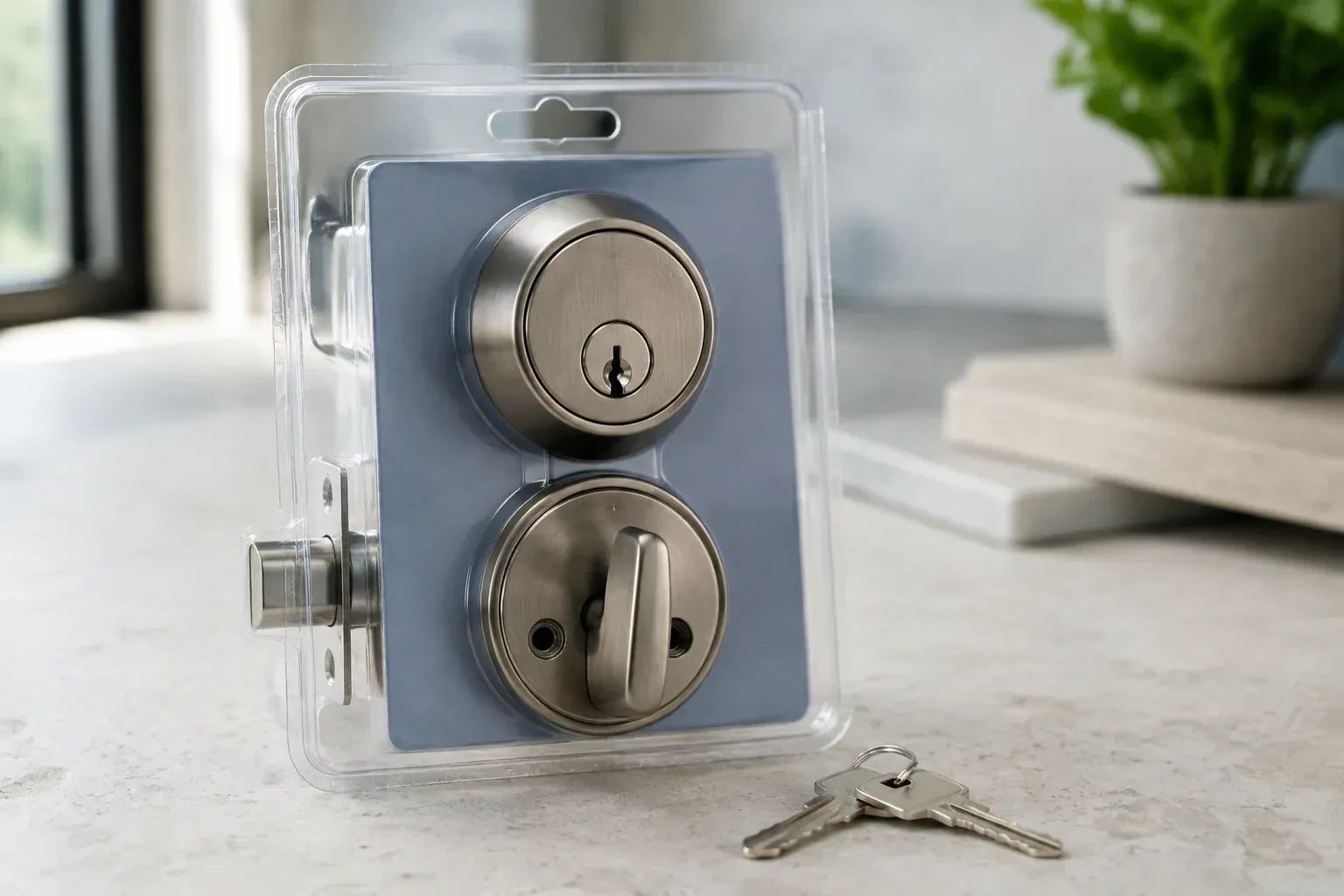
Rekeying keeps your existing deadbolt or handle set and gives it a new key, commonly by changing the pins inside, though some cylinders reset a different way. Replacing removes the whole lock or cylinder and fits new hardware. Rekeying suits locks that are in good condition and simply need a fresh key. Replacement is the better call for hardware that is worn or damaged, built to a low grade, on a keyway the other doors cannot share, or due for a change of style or a keypad. Lock Rekeying
What do backset and bore mean, and why does the locksmith ask?
Two measurements decide whether a deadbolt fits your door. Bore is the diameter of the big hole through the face, 54 mm on most current hardware. Backset is how far the centre of that hole sits from the door's edge, 60 mm or 70 mm on nearly all residential doors. A replacement must match both to use the existing holes, and a fresh installation is cut to match the knob below, so knowing them ahead puts the right hardware on the van. Deadbolt Installation
Can the same visit replace locks on more than one door, or does each door need its own appointment?
One visit usually covers every door on the job. The locksmith brings a range of cylinders and strikes, measures each door's backset and bore, and works through the list in order, front entrance first if a key change matters most there. Having a rough list ready, which doors, and whether they should end up on one key or several, lets the locksmith plan hardware before arriving rather than working it out door by door on site. Lock Replacement & Upgrade
Which parts usually need replacing?
Springs, first and foremost: the latch spring, the hub spring that returns the knob, and the small springs on the deadbolt levers. After that, the spindle and knob set screws, a hub whose square has worn round, a worn deadbolt lever or follower, and on later locks the cylinder set screw or the cylinder itself. Bolts, cases and trim are almost always kept, cleaned and refitted rather than replaced. Vintage Mortise Lock Service
High Security Locks
Can a safe be repaired instead of replaced after drilling?
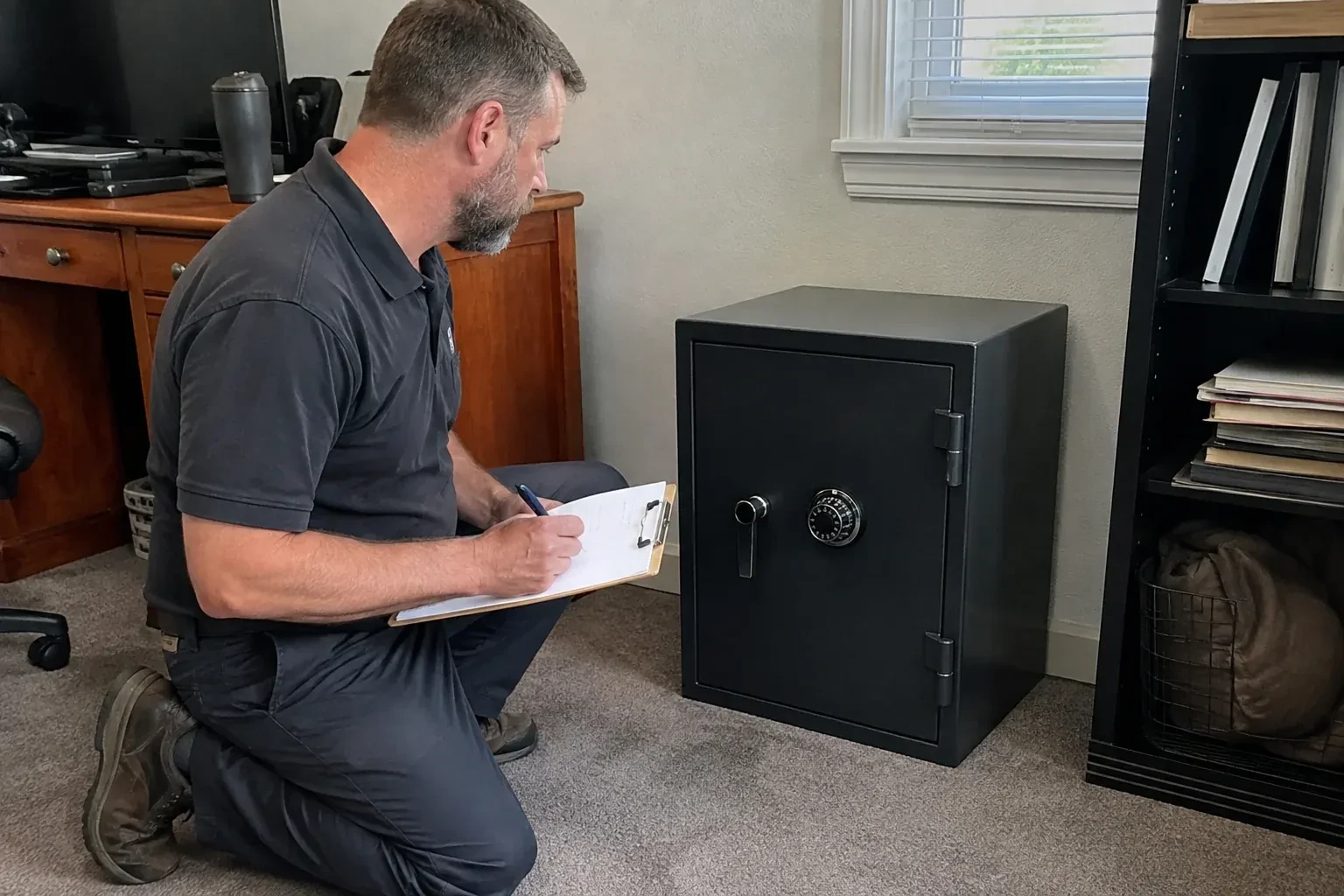
Often, yes, particularly for a mechanical lock, where a worn wheel pack, drive cam or spindle can be replaced individually within the existing lock body. An electronic lock's circuit board and keypad are less often repairable in place and are more commonly swapped for a comparable or higher-rated replacement unit that fits the same cutout. Safe Opening & Combination Change
What is involved in servicing an older safe instead of replacing it?
Servicing works through the same checks as a new installation in reverse: the bolt-work is opened, cleaned, and lubricated, the lock is tested and adjusted if it binds, the anchoring underneath is confirmed or added if it was never done, and batteries are replaced if the lock is electronic. Many older safes have solid steel bodies that outlast the mechanism inside them, which makes servicing a practical route rather than starting over. Safe Installation & Servicing
Can all my doors be on one key?
Yes, and most homes ask for exactly that. Every exterior cylinder is pinned to the same combination so one controlled key opens the front, back, side and garage entry. A gate or shed padlock on the same keyway can join it. For businesses, the same keyway can carry a small master system where staff keys open only their areas and a manager key opens everything. The keying plan is agreed before any pinning is done. High Security Locks
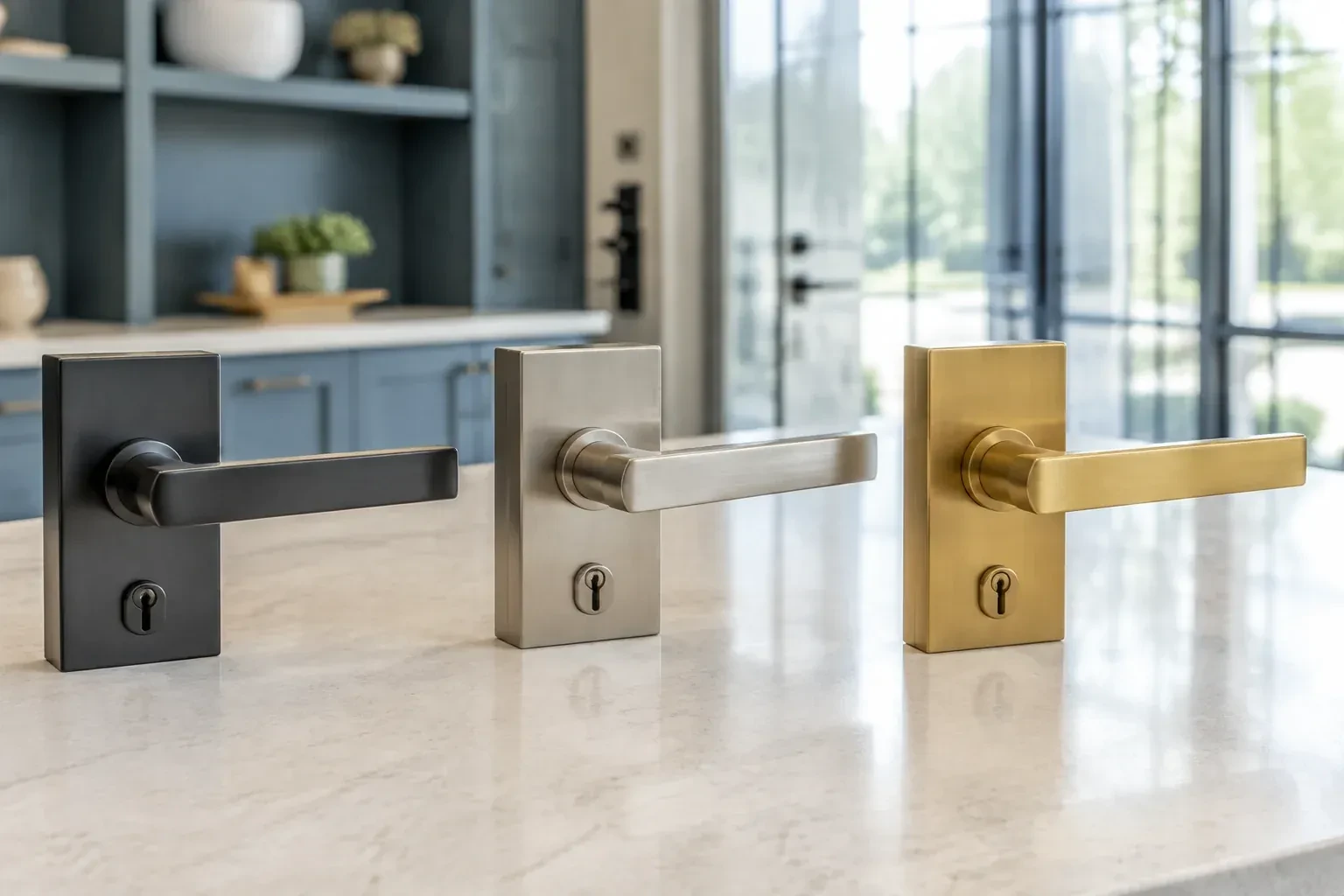
Commercial Locks
Can padlocks, cabinets and the mailbox go on the plan too?
Yes. Gate, cage and shutter padlocks that accept repinning can share the back-door key, and the locks on filing cabinets, drawers and display cases can be grouped so the people who work at them carry a single key while the manager holds a separate one. Mailbox cylinders are small and are usually swapped for new rather than repinned. Everything is entered on the chart, so one document covers the whole premises. Commercial Rekeying
Can different lock brands be mixed in one master key system?
Sometimes, but it depends on the keyway and pinning platform each brand uses; some are compatible with one another and some are not. Where a mix already exists on a property, the assessment identifies which cylinders can be brought into a single hierarchy and which need replacing with a matching platform so every level pins correctly across the whole set of doors. Master Key System Design
What happens at a networked location if the network or Wi-Fi goes down?
A standalone reader at a single door keeps working during a network or Wi-Fi outage, since it checks its own stored list rather than relying on a live connection. A networked controller generally keeps making local decisions at each door as well, though live updates, remote changes and off-site log access may pause until the connection returns. Access Control Installation
How is panic hardware different from fire exit hardware?
Panic hardware and fire exit hardware share the same push-to-release action, but fire exit hardware is additionally tested and listed for use on a fire-rated door assembly. That extra listing matters because a fire door has to keep an active latch bolt at all times; it cannot carry a mechanical dogging function the way ordinary panic hardware sometimes can, so the two are not interchangeable on a rated opening. Panic & Exit Hardware
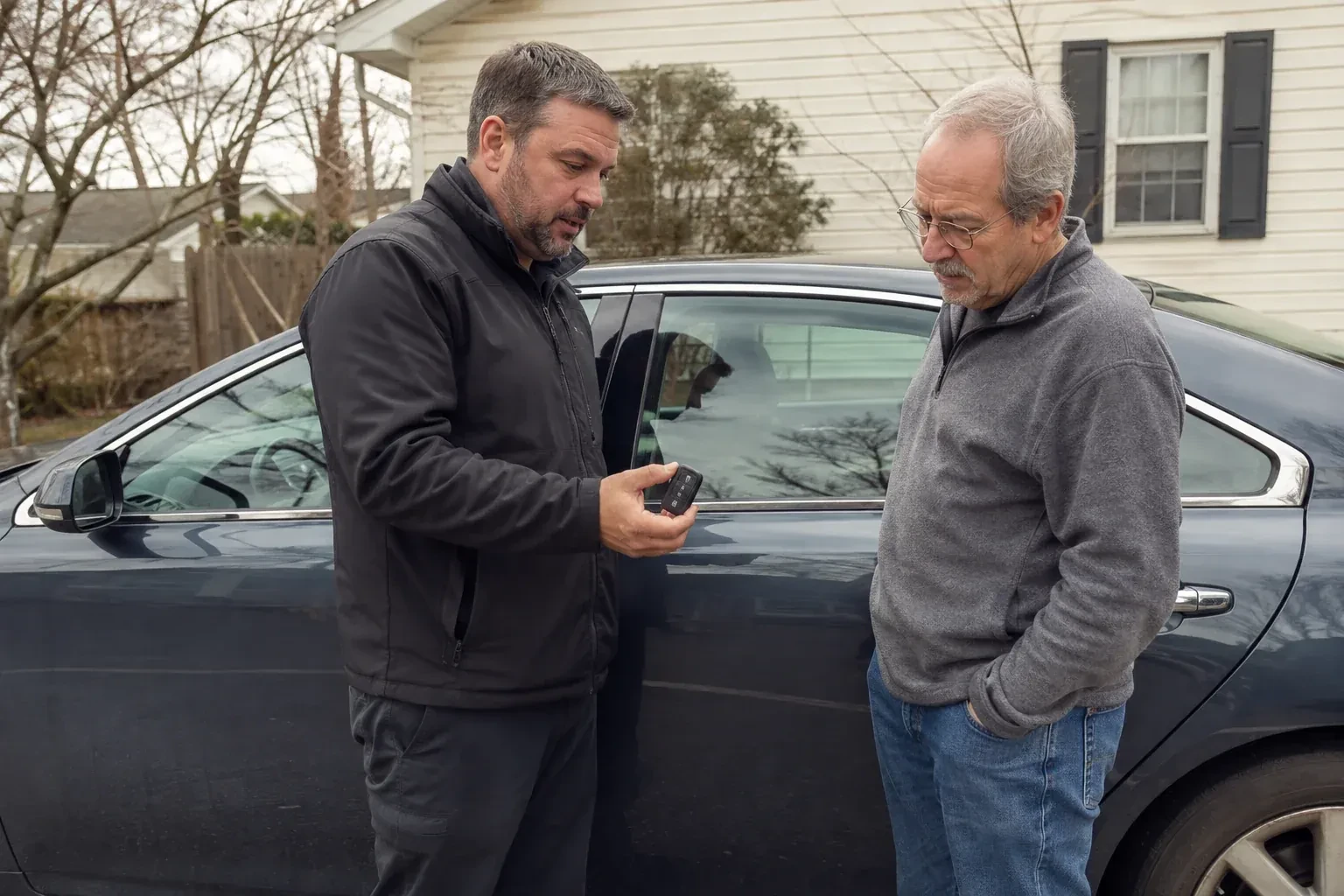
Car Keys
The lock is frozen and the door will not budge. What will you do?
Ice is handled gently. Lock de-icer and mild warmth free the cylinder so it turns without force, and a door stuck to its seal is released by pressing along the edge to crack the ice rather than pulling the handle, which can tear the rubber. Hot water is never used because it refreezes and can crack glass. Afterwards the cylinder is lubricated with whatever product the vehicle maker specifies and the seals are treated with silicone. Car Lockout Service
The car is leased or belongs to my employer. Can you still make me a key?
Yes, with the right paperwork. For a leased car, the lease agreement in your name together with your identification and the permit covers it. For a company vehicle, the locksmith needs authorization from the business: a work order, purchase order or letter naming the VIN and the person collecting the key. Mention the arrangement when you call so the correct document is ready and the record can be completed properly. Car Key Replacement
What is a relay attack, and does it matter for my spare?
A relay attack is when nearby equipment picks up a proximity fob's signal from inside a house and relays it to a vehicle parked outside, tricking the car into thinking the key is close enough to unlock or start. It matters for every fob in the household, spare included, which is why storing any proximity key in a signal-blocking pouch when it is not being carried is worth doing for all of them. Spare Car Key Duplication
What should I do if my fob gets wet?
Remove the battery as soon as possible and let the fob dry completely before testing it again, since a battery left in contact with a damp circuit board usually causes the lasting damage rather than the water itself. If the fob still fails to respond once it is dry, the shell and battery contacts are worth checking before assuming the electronics are beyond repair. Key Fob Programming
On-site assessment preferred
Request a visit
Start with a phone call. Let's fix that lock.